ZHEJIANG TOPMB ELECTRICAL LIGHTING CO.,LTD.
Search

What Is Asymmetric Lighting and Why Does It Matter?

Lighting design plays an important role in creating comfortable and efficient workspaces. While most traditional lamps use symmetrical lighting that spreads light evenly in multiple directions, modern lighting solutions increasingly focus on controlling where light goes. One of the most effective examples of this approach is asymmetric lighting.

Unlike conventional lighting methods, asymmetric lighting directs light mainly toward a specific area instead of distributing it equally around the lamp. This design helps reduce unnecessary glare, improve visual comfort, and provide more efficient illumination for tasks such as reading, working, studying, and computer use.

As more people create home offices, gaming setups, and flexible workspaces, understanding how an asymmetric light source works can help users choose better lighting solutions for their daily activities.


What Is Asymmetric Lighting?

Asymmetric lighting refers to a lighting method where the light distribution is intentionally uneven. Instead of spreading light equally in all directions, an asymmetric light source directs illumination toward a targeted area.

For example, a traditional desk lamp usually shines light around the workspace, including areas where illumination may not be needed. In contrast, an asymmetric lighting design focuses the light on the working surface while minimizing unnecessary brightness in other areas.

This lighting principle is commonly used in professional work environments, architectural lighting, reading lights, and modern computer lighting products. The goal is not simply to produce more light but to deliver the right amount of light in the right location.


How Does an Asymmetric Light Source Work?

An asymmetric light source uses optical design elements to control the direction and distribution of light. These may include specially designed reflectors, lenses, light panels, or internal structures that guide the light beam toward a specific area.

In a typical desk setup, the light is often directed downward and slightly forward, creating better illumination on the desktop without shining directly into the user's eyes.

The main characteristics of an asymmetric light source include:

  • Targeted light distribution

  • Reduced direct glare

  • Better control of brightness areas

  • Improved efficiency for task lighting

This makes asymmetric lighting especially useful for activities that require visual focus, such as reading, writing, computer work, and detailed tasks.


Why Does Asymmetric Lighting Matter?

The importance of asymmetric lighting comes from its ability to improve visual comfort while reducing common lighting problems.

Traditional lighting can sometimes create excessive brightness in areas that do not need illumination. For example, a lamp placed beside a computer monitor may create reflections on the screen or produce uneven lighting between the workspace and surrounding environment.

Asymmetric lighting solves this problem by controlling the direction of the light. It provides illumination where users need it while reducing unnecessary light exposure.

The key benefits include:

Reducing Glare and Screen Reflections

One of the biggest advantages of asymmetric lighting is improved glare control.

When working with computers, direct light from a lamp can reflect on the monitor surface and make content harder to view. This is especially noticeable with glossy screens.

A properly designed asymmetric light source directs light toward the desk area instead of the display, helping create a more comfortable viewing environment.

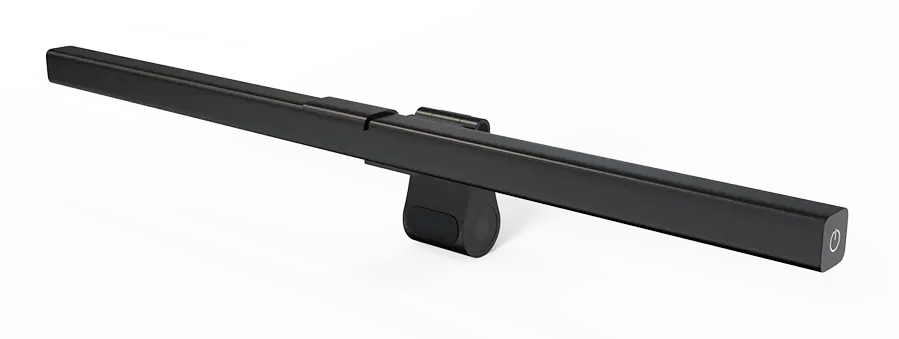
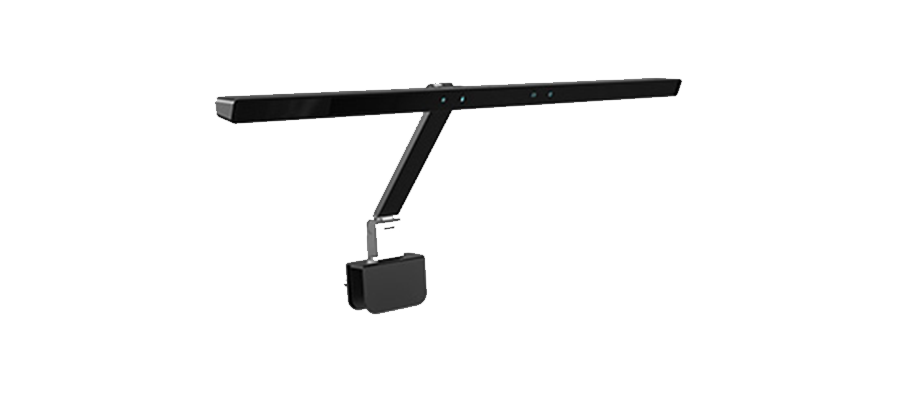
This is why many modern monitor light bar products use asymmetric lighting principles. They provide focused desktop illumination while minimizing interference with the screen.

Improving Reading and Working Comfort

Good lighting is not only about brightness but also about light placement.

For reading, studying, or detailed work, excessive shadows and uneven illumination can make the eyes work harder. An asymmetric lighting design provides more balanced lighting on the working surface without creating unnecessary brightness around the room.

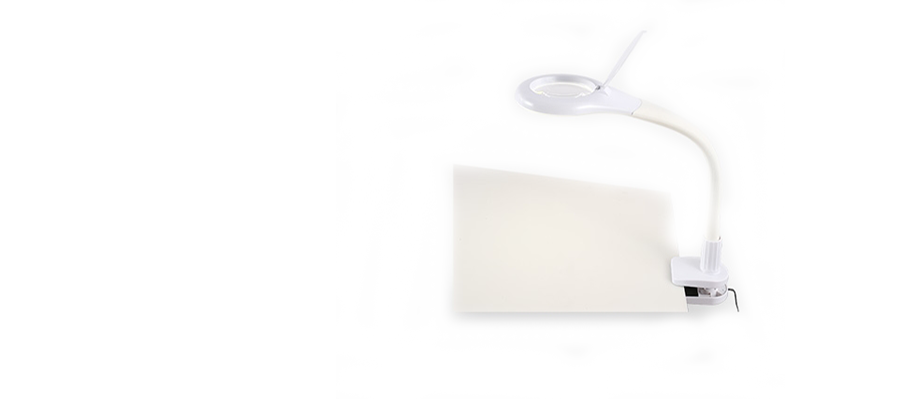
For users who spend long periods reading, specialized solutions such as reading lamps for poor eyesight often use controlled light distribution to create a more comfortable reading environment.

Making Workspaces More Efficient

Asymmetric lighting also improves workspace efficiency because it focuses light only where it is needed.

In a home office, for example, a targeted light source can illuminate documents, keyboards, and desktop areas without requiring a large amount of general lighting.

This makes asymmetric lighting suitable for:

  • Home office desks

  • Study areas

  • Computer workstations

  • Creative workspaces

  • Gaming setups


Asymmetric Lighting vs Traditional Desk Lamps

Traditional desk lamps usually rely on symmetrical light distribution. While this approach can provide general illumination, it may also create unnecessary brightness and reflections.

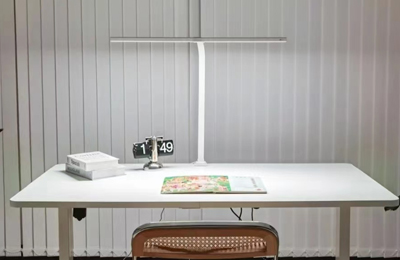
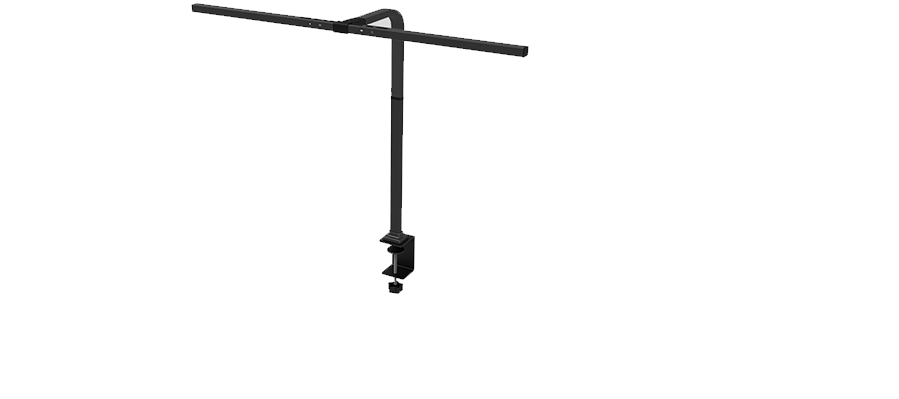
An asymmetric lighting desk lamp is designed differently. It focuses light toward the working area and provides more controlled illumination.

FeatureAsymmetric Lighting Desk LampTraditional Desk Lamp
Light DistributionTargeted and controlledMore general
Glare ControlBetter optimizedDepends on placement
Workspace CoverageFocused task lightingWider illumination
Screen Reflection ControlBetter for computer useMay create reflections
Best UsageReading, working, computer tasksGeneral desk activities

For users who mainly perform focused tasks, an asymmetric lighting desk lamp can provide a more comfortable experience compared with a conventional lamp.


Applications of Asymmetric Lighting

Because asymmetric lighting provides controlled illumination, it is used in many different environments.

Home Office Lighting

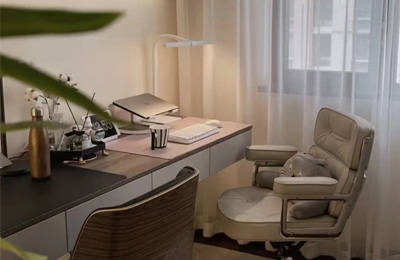
With more people working remotely, comfortable desk lighting has become increasingly important. An asymmetric light source can help create a better home office environment by providing focused illumination without unnecessary glare.

For computer users, combining asymmetric lighting with a monitor light bar can create a balanced setup where both the screen area and desktop are properly illuminated.

Reading and Study Areas

Reading requires consistent and comfortable lighting. Traditional lamps may create shadows depending on their position, while asymmetric lighting can direct light evenly across the reading surface.

This makes it a useful technology for study lamps and reading lamps designed for extended use.

Professional and Creative Workspaces

Designers, engineers, and creators often need precise lighting conditions when working with detailed materials or digital tools.

Asymmetric lighting helps provide focused illumination while maintaining a comfortable overall environment.


Is Asymmetric Lighting Better for Computer Work?

For computer users, asymmetric lighting can be a valuable choice because it addresses some common problems associated with desk lighting.

A lamp positioned incorrectly may create reflections on the monitor or cause uneven brightness between the screen and workspace. An asymmetric light source reduces these issues by directing illumination toward the desk rather than the display.

This is why many modern computer lighting products, including monitor-mounted lighting solutions, use asymmetric beam designs.

For users who spend several hours daily working on computers, choosing lighting based on distribution and direction—not just brightness—can create a more comfortable workspace.


How to Choose an Asymmetric Lighting Solution

When selecting an asymmetric lighting product, consider several factors:

Light direction:
The lamp should direct light toward the working area while minimizing glare.

Brightness adjustment:
Adjustable brightness allows users to adapt lighting for different tasks and environments.

Color temperature options:
Different activities may benefit from different color temperatures, such as cooler light for focused work and warmer light for evening reading.

Workspace compatibility:
Consider whether the lighting solution fits your desk size, monitor setup, and daily activities.

A well-designed asymmetric lighting product should improve comfort without creating additional visual distractions.


Frequently Asked Questions About Asymmetric Lighting

What is the difference between symmetric and asymmetric lighting?

Symmetric lighting spreads light evenly in multiple directions, while asymmetric lighting directs light toward a specific area. Asymmetric lighting is often preferred for task-focused activities because it provides better control and reduces unnecessary glare.

Is asymmetric lighting better for reading?

Yes. Asymmetric lighting can be beneficial for reading because it provides focused illumination on the reading surface while reducing excessive brightness around the user.

Why do monitor light bars use asymmetric lighting?

Many monitor light bars use asymmetric lighting because it allows them to illuminate the desk area without creating strong reflections on the screen.

Are asymmetric lighting desk lamps good for home offices?

Yes. An asymmetric lighting desk lamp can be a good choice for home offices because it provides targeted illumination for computer work, writing, and other desk activities.


Final Thoughts: Why Asymmetric Lighting Matters

Asymmetric lighting represents a more controlled approach to modern workspace illumination. Instead of simply increasing brightness, it focuses on delivering light where it is actually needed.

By using an asymmetric light source, users can reduce glare, improve visual comfort, and create more efficient lighting environments for reading, working, and computer use.

Whether used in a home office, study area, or modern workstation, asymmetric lighting provides a practical solution for people who want better control over their daily lighting experience. As workspace design continues to evolve, lighting that prioritizes comfort and precision will become increasingly important.


Read Lamp
Latest News about TOPMB
linda-new
sale@homestarlight.com
+86-571-87231206